Samsung Galaxy S26 Ultra review: small evolution, but still the Android crowdpleaser
Consistency is key to the Galaxy S26 Ultra's lasting all-rounder appeal


Stuff Verdict
While not an extensive generational overhaul, the Galaxy S26 Ultra remains the Android of choice for power users. It’s hugely capable and the world-first display tech is seriously clever.
Pros
- Privacy Display is unique and genuinely useful
- Subtle design evolution makes this big phone impressively ergonomic
- Cameras keep pace with Western flagship rivals
Cons
- Battery life is basic compared to rivals with silicon-carbon cells
- Camera improvements are minor at best
- Galaxy AI additions like Now Nudge aren’t compelling
Introduction
If you’re the type that thinks the best smartphone is the one with the most powerful hardware, the Galaxy S26 Ultra may not be for you. Samsung’s preference for iterative evolution over spec-chasing hasn’t changed for 2026 – but why should it, when the outgoing model was such a hit?
While the design tweaks from last year’s Galaxy S25 Ultra are subtle, underneath it’s packing the latest custom-tuned silicon, faster charging speeds, and some world-first display tech to appeal to the privacy-minded/paranoid.
The flagship competition might’ve seriously stepped up on battery capacity and taken a brute force approach to photography, but after several weeks of testing, I’m convinced that hasn’t dented the Galaxy S26 Ultra’s all-rounder appeal in the slightest.
How we test smartphones
Every phone reviewed on Stuff is used as our main device throughout the testing process. We use industry standard benchmarks and tests, as well as our own years of experience, to judge general performance, battery life, display, sound and camera image quality. Manufacturers have no visibility on reviews before they appear online, and we never accept payment to feature products.
Find out more about how we test and rate products.
Design & build: full circle moment

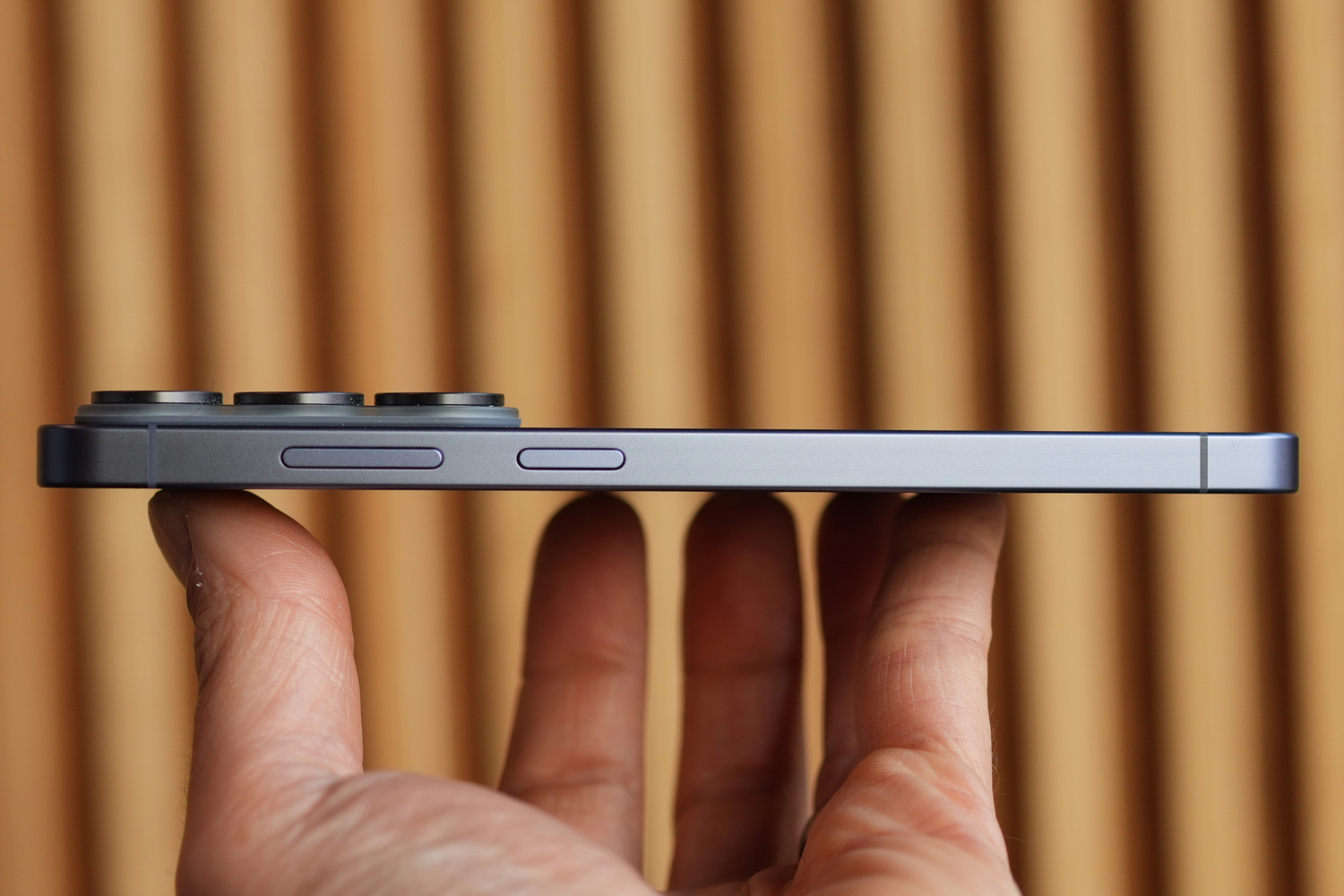
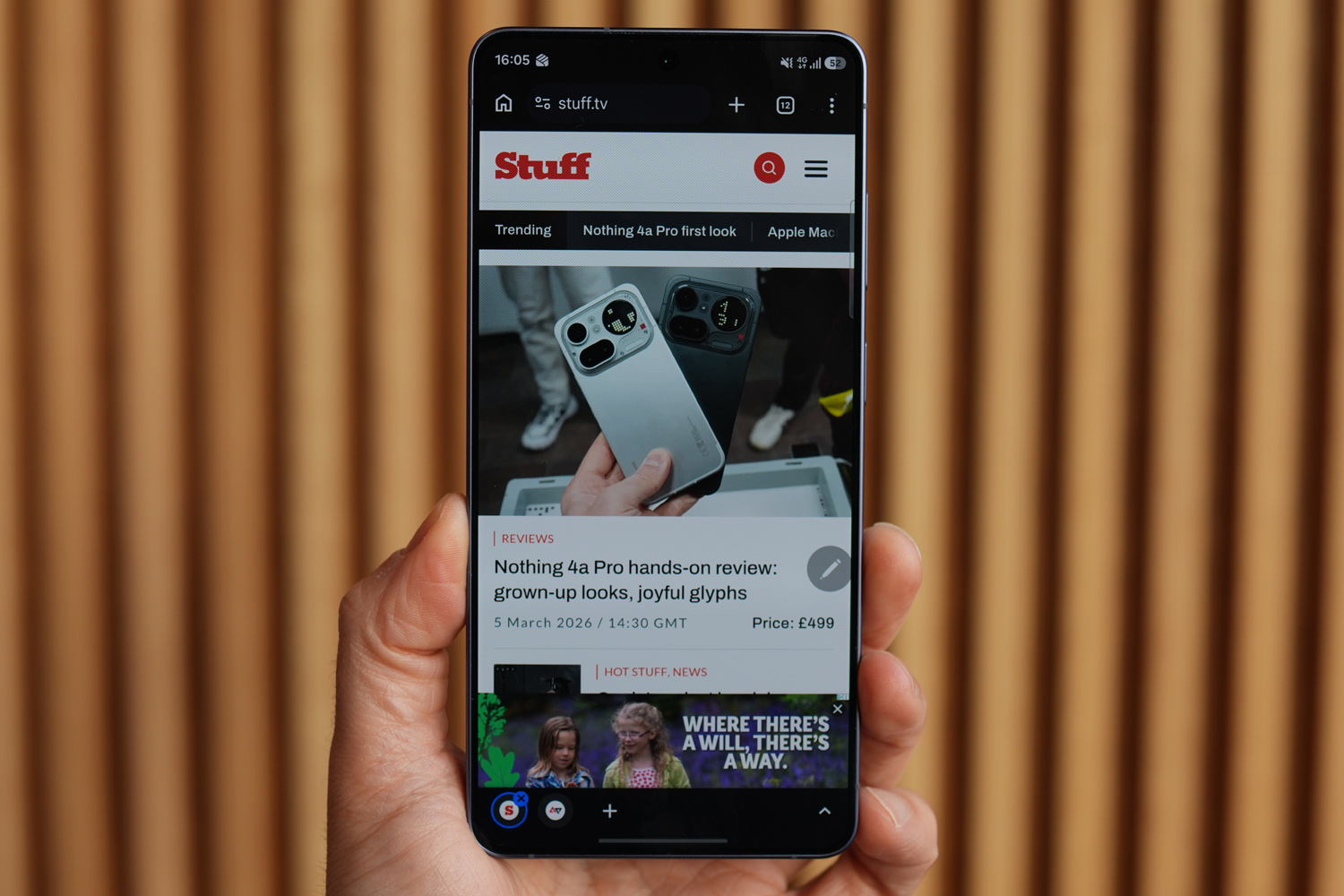
It’s amazing what a difference a few grams and fractions of millimetres can make. Now that it’s just 7.9mm at its thinnest point and only weighs 214g, the Galaxy S26 Ultra sits so much more comfortably in my hand than its predecessor ever did. That weight is more evenly distributed, too: I never felt the phone was about to topple out of my grip, unlike some rivals with oversized camera islands.
The weight reduction does come with a penalty: Samsung’s thinnest and lightest Ultra ever has gone back to an aluminium mid-frame, after two years of titanium handsets. On the plus side, it means there are more recycled materials used to build each handset than ever.
Impressively slim screen bezels help keep the other dimensions in check. The display corners also have slightly more rounded corners now, bringing the Ultra fully in line with the regular Galaxy S26 and S26+. Samsung has once again resisted the urge to “me too” a Camera Control-like shutter button or customisable shortcut key into existence at the sides.
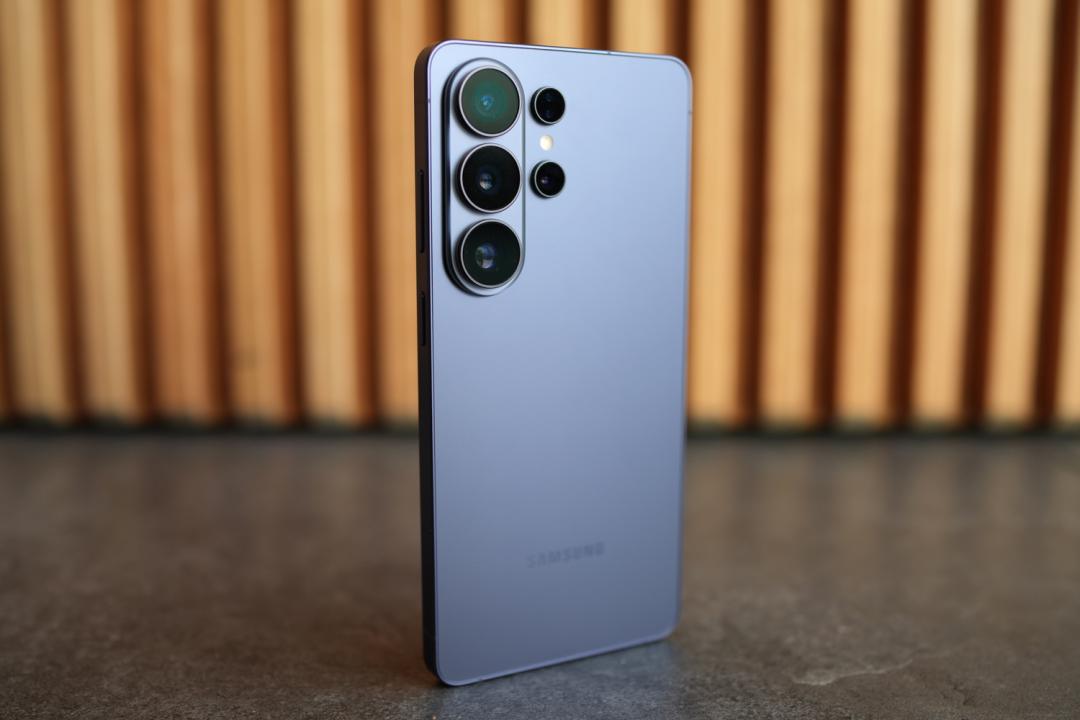
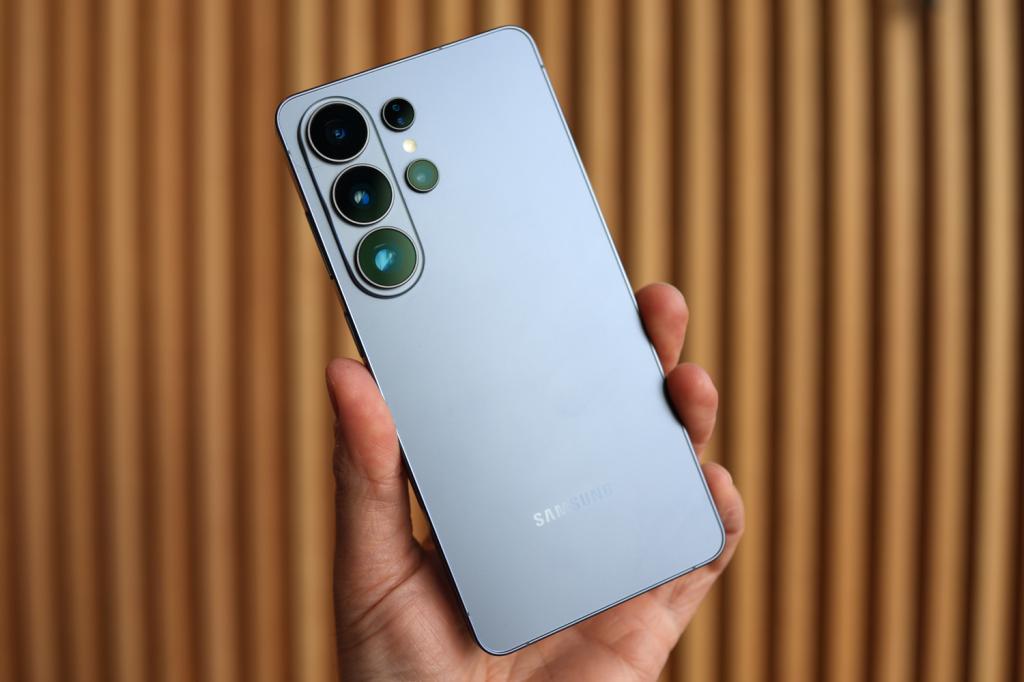
The only other visual upgrade is the raised camera bump at the rear, which was clearly influenced by the Galaxy Z Fold 7. Here it only holds three of the five ‘lenses’ (the fifth one is really a laser autofocus module). I’m very glad Samsung dropped the vinyl record-like lens surrounds, which made the S25 Ultra look a bit cheap in comparison to the iPhone 17 Pro’s metal ones. The way it sticks out even more than last year makes wobbling more pronounced when laid flat on a desk, though.
The glass rear is as fingerprint resistant as I’ve come to expect from a Galaxy flagship, given Samsung has been using a matte finish for multiple generations at this point. I do wish there were some more exciting colours to choose from, though. Black, White, Sky Blue and Cobalt Violet are all a bit pale and unexciting, especially compared to Apple’s Cosmic Orange iPhone 17 Pro Max; a single more adventurous hue wouldn’t have gone amiss. Even the Samsung web store-exclusive Pink Gold and Silver Shadow colours are on the subtle side.
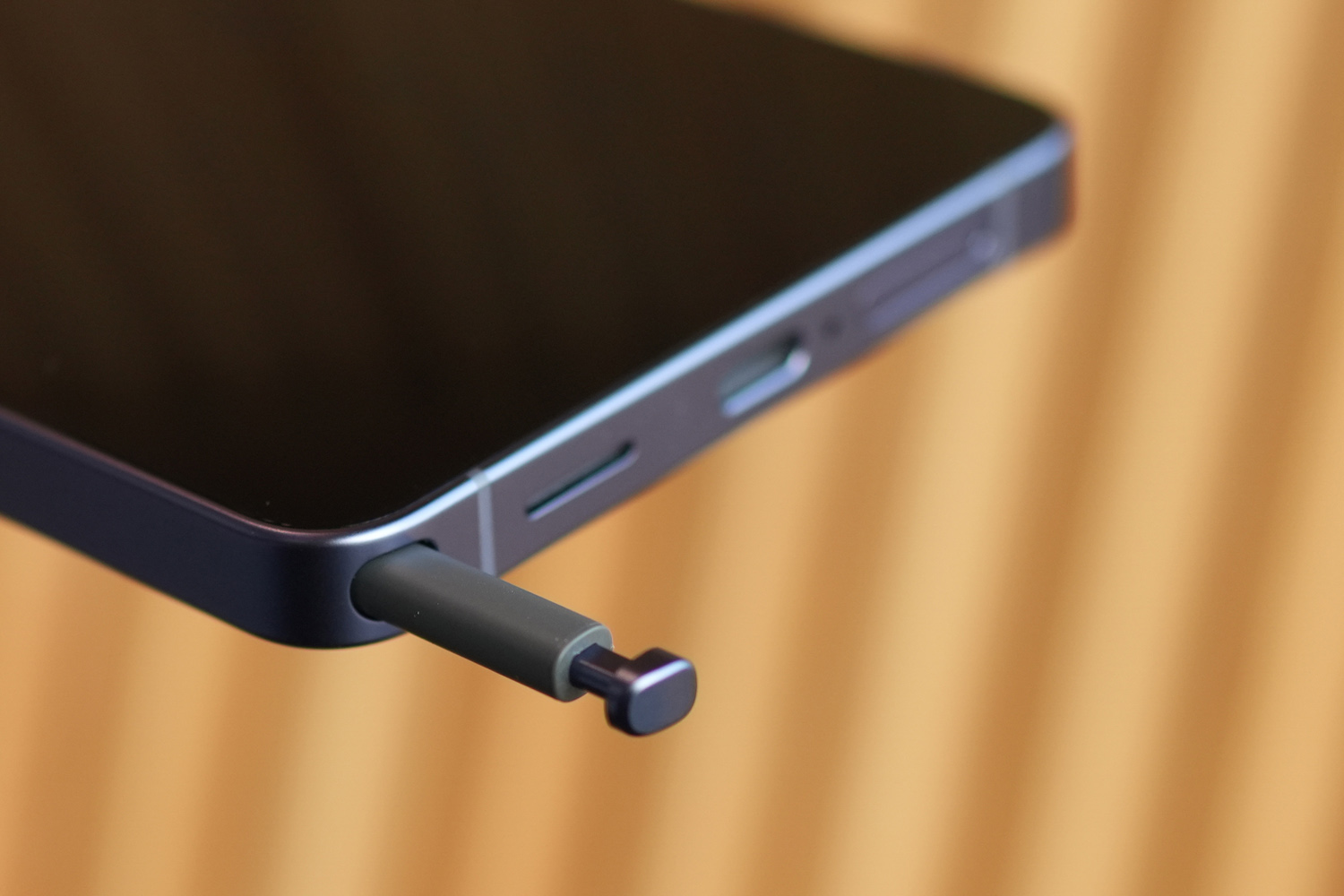
Long-time Ultra owners (and Galaxy Note owners before that) will be relieved to hear the S Pen hasn’t gone anywhere. It pops out of a slot in the phone’s bottom edge with a confident mechanical click, and is still fantastic for impromptu scribbled notes or sketches. It hasn’t had any Bluetooth smarts for a few generations now, though, so is no use as a camera remote shutter button. I rarely used it, but appreciate it has its fans.
Screen & sound: private glancer
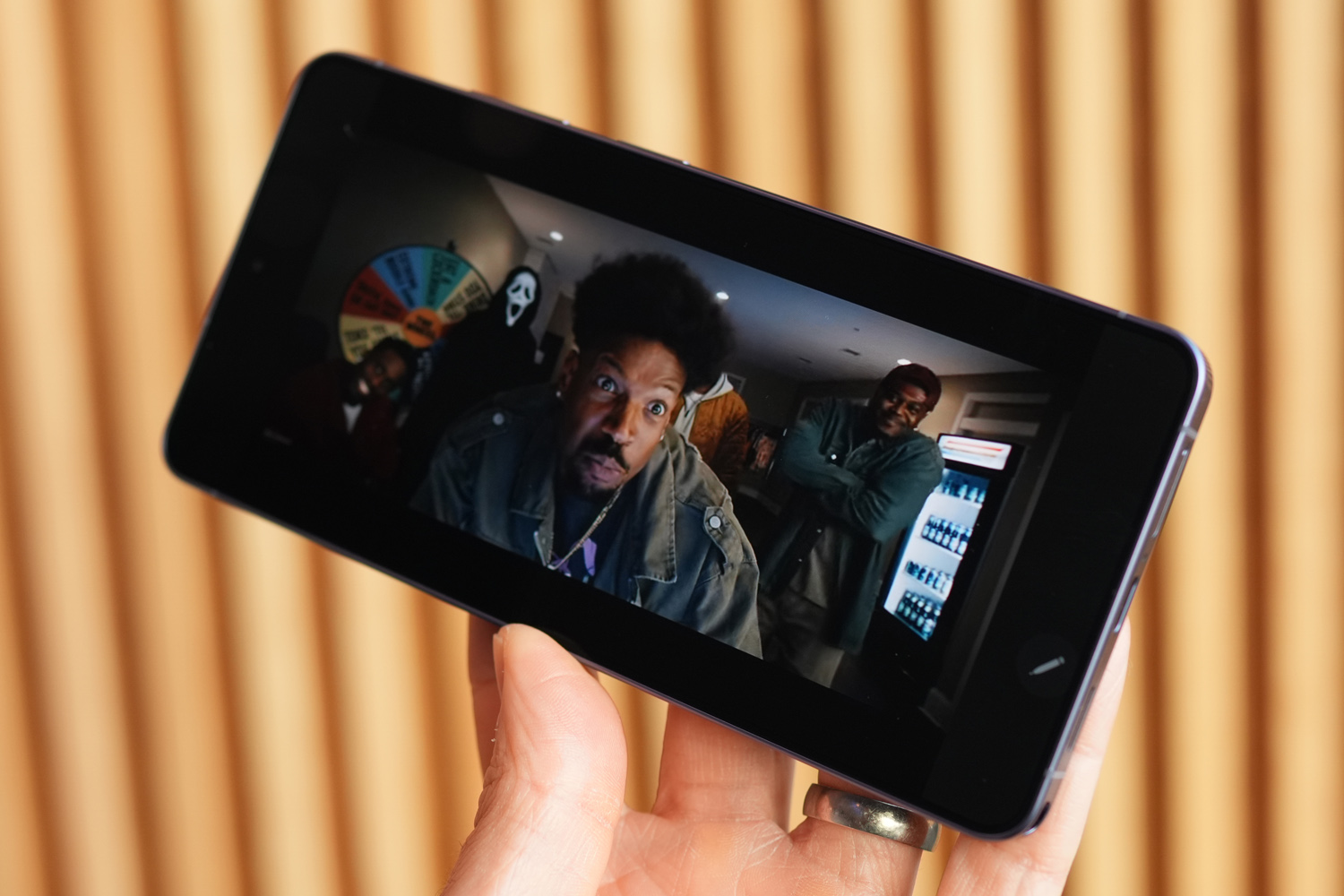
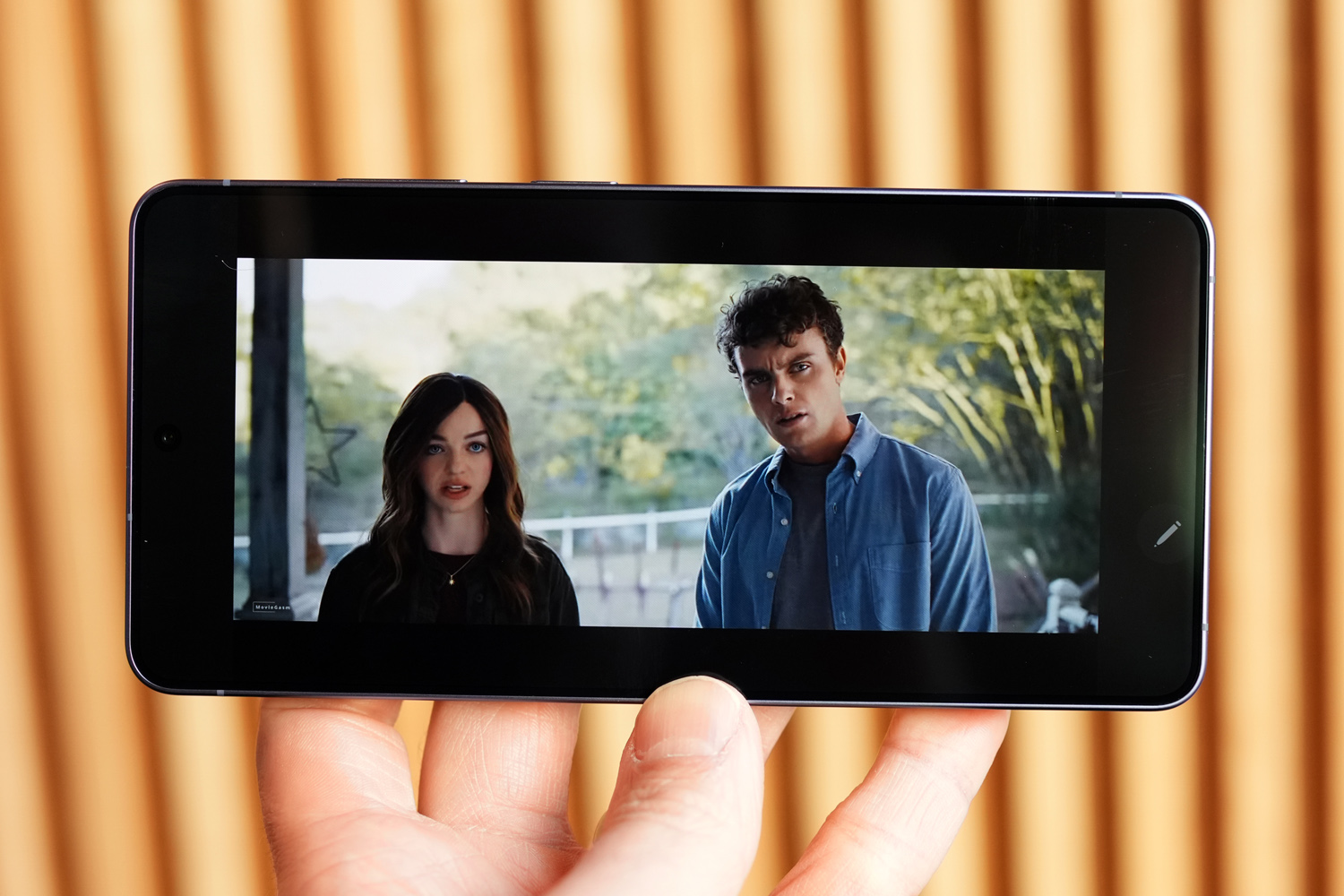
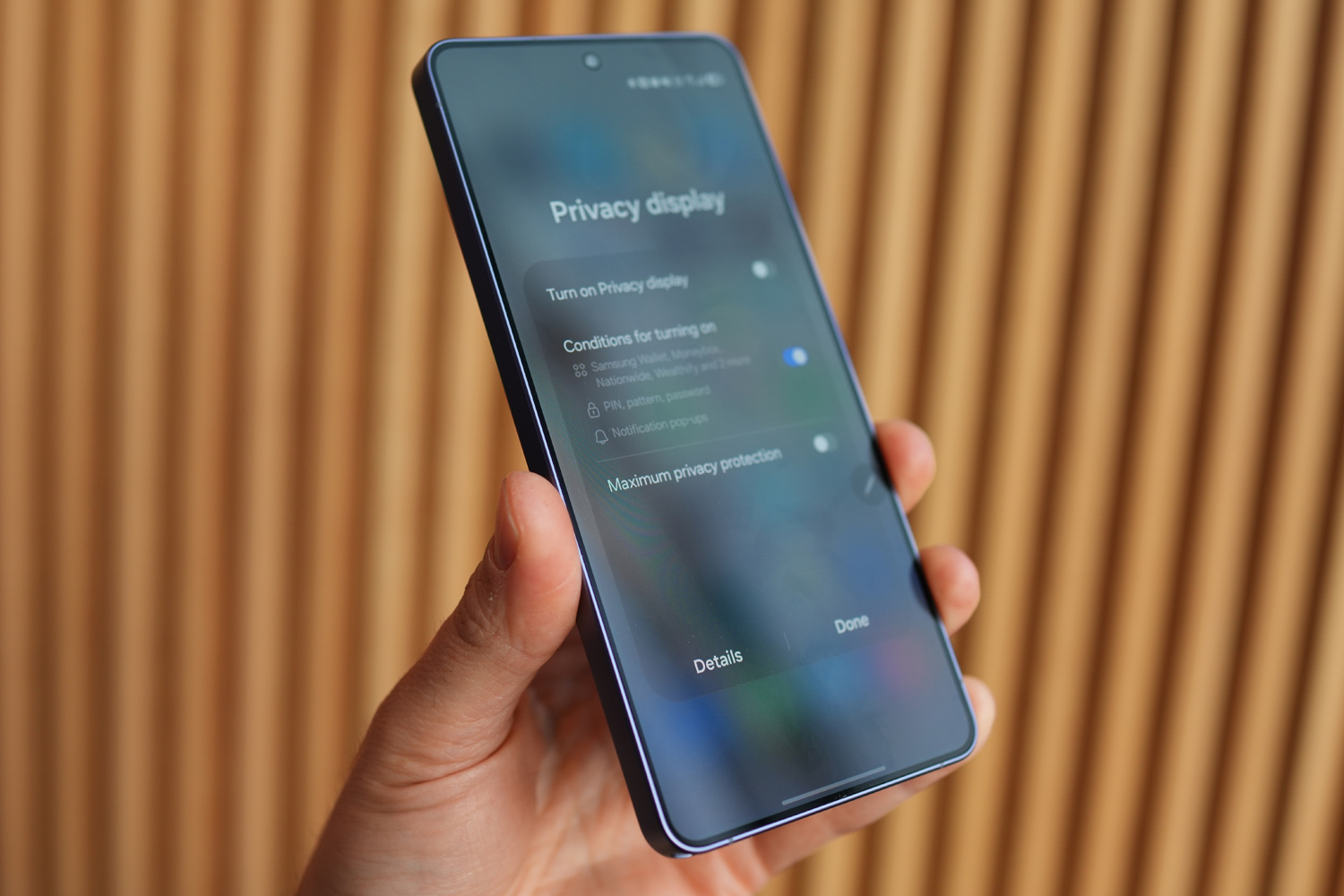
Last year’s Galaxy S25 Ultra already had one of the best phone screens around, but Samsung decided to flex and give its successor a genuine world-first. Privacy Display is a hardware-level filter that can effectively shut off part of the AMOLED panel’s pixel grid, dramatically cutting down viewing angles to a tiny area; switch the feature on through the Quick Settings menu and you’re simply not able to see what’s onscreen unless you’re directly in front of the phone.
There’s nothing else like it out there right now, and sure beats sticking a third-party filter over your phone if you’re paranoid about privacy. Just knowing I could put in passwords or read private messages without anyone else being able to snoop was reassuring, as was having it activate automatically whenever I opened my banking apps. You can apply it to the entire screen or just to incoming notifications, though you can’t get as granular as picking which app notifications get blocked – it’s an all-or-nothing deal. Maybe that’s something Samsung can change in the future, as I really don’t care if shoulder snoopers see my Netflix new episode reminders or weather app updates.
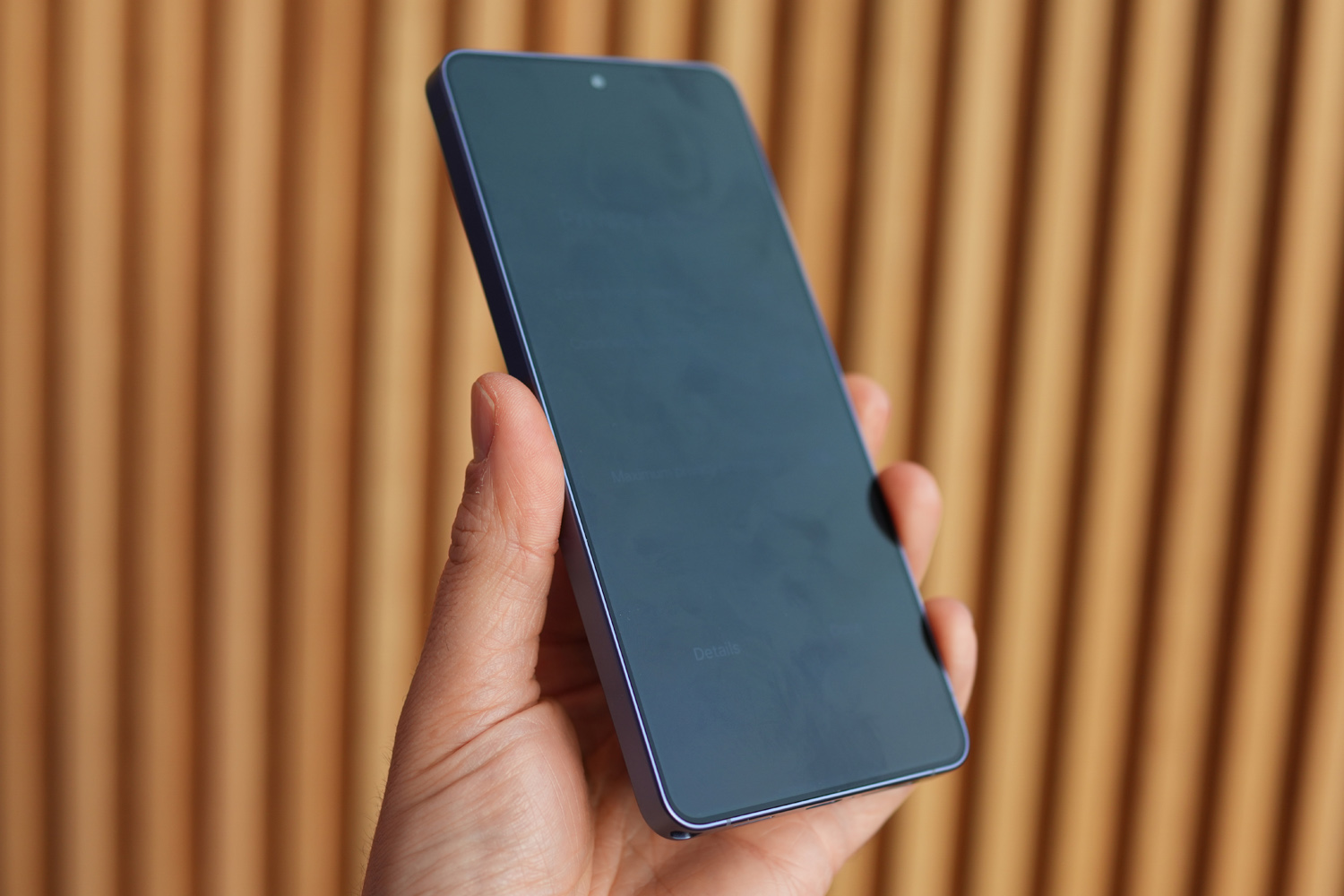
Viewing angles while Privacy Display is switched off have taken the smallest of hits, but you’ll barely notice. Resolution also takes a hit, so it only makes sense to use for apps you really don’t want others to see.
In all other respects, though, the S26 Ultra’s display is still elite tier. The all-new 6.9in AMOLED has a wonderfully sharp 3120×1440 resolution and a 1-120Hz adaptive refresh rate that was always quick to react to onscreen motion, ensuring smooth scrolling at all times. Black levels are impeccable, as is contrast and colour definition. Everything looks vibrant without going too far into oversaturated territory, while HDR content is simply gorgeous.
This is the third year Samsung has stuck with the same peak brightness, but while 2600 nits doesn’t sound like a lot now flagship rivals are boasting about 5000 nits or higher, in reality things are much closer. The S26 Ultra’s full screen brightness is still more than enough to guarantee good outdoor visibility. It helps that the Gorilla Armor 2 cover glass that does a brilliant job of diffusing distracting light reflections, of course.
Audio-wise the S26 Ultra puts in a very respectable performance, with ample volume from the down-firing speaker and earpiece tweeter. I couldn’t say it sounded any better – or worse – than last year. It’s not the outright best sounding smartphone, but didn’t leave me desperate for a pair of headphones whenever I pressed play on a podcast or YouTube clip.
Cameras: see the light

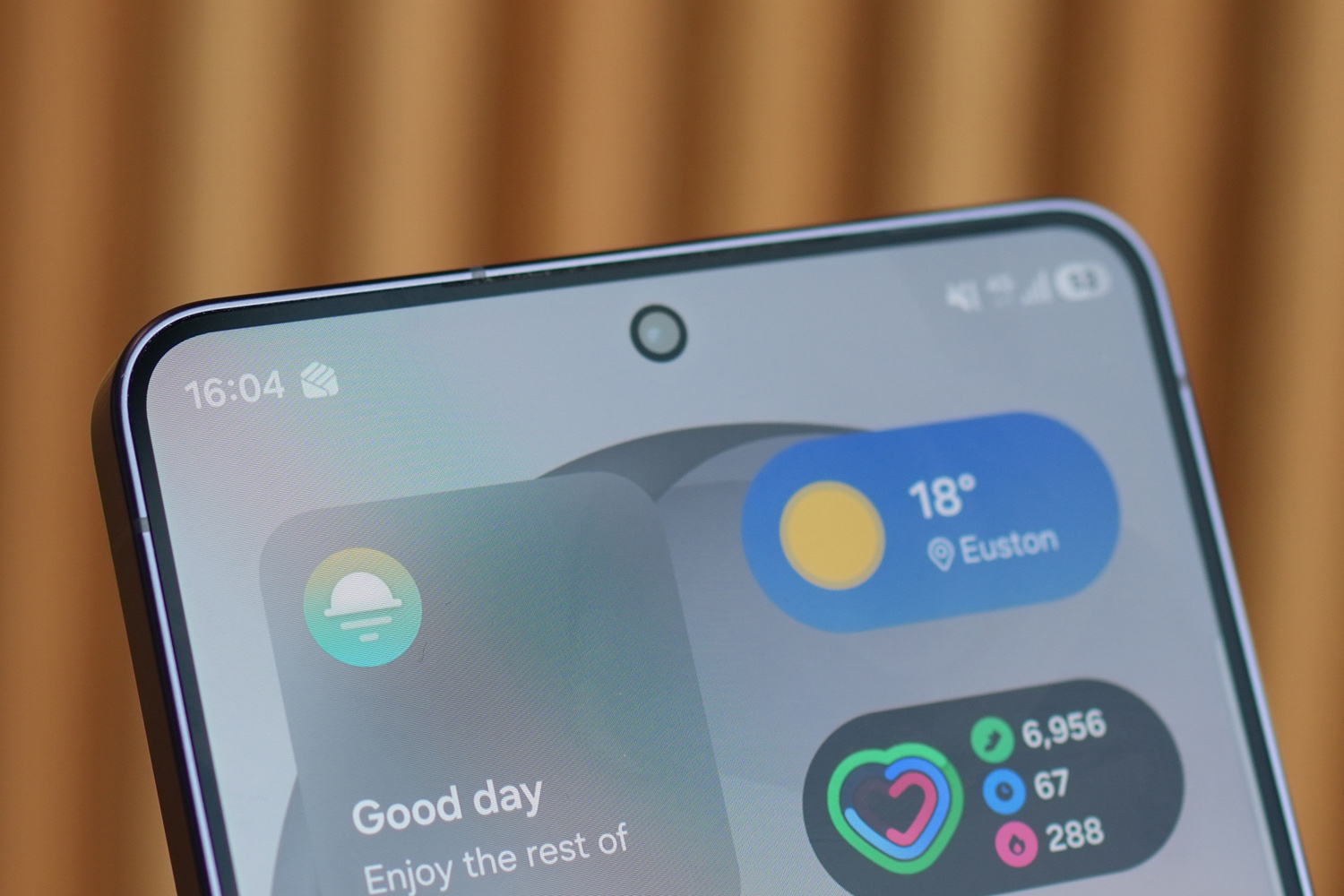
While the underlying sensors may not have changed between generations, the S26 Ultra’s four rear snappers are still as good as it gets from a Samsung phone – especially now that two of ’em have even wider lens apertures. A 200MP main snapper leads the way at an impressive f/1.4, which lets in almost 50% more light than the outgoing S25 Ultra. The 50MP, 5x optical zoom telephoto sees a smaller improvement, but f/2.9 is still a step up from the old phone’s f/3.4.
The 50MP ultrawide retains its autofocus abilities, letting it double as a macro shooter, while the second telephoto is still good for 3x optical zoom – though the modest 10MP sensor is now beginning to feel a little left behind by higher pixel count rivals. Samsung’s image processing only goes so far, even if it remains top-tier in most lighting situations.
In my fortnight of testing, I spent most of my time bouncing between the lead lens and 5x telephoto. Both deliver nuanced and natural-looking images, with great detail preservation and an extensive amount of dynamic range. Samsung keeps sharpening in check at all times, and there’s real consistency between the different lenses.








Colours were realistic for the most part, though some of my shots leaned warmer and more saturated than reality. Scenes could look a little flat at times, on account of the HDR processing boosting shadows in order to expose for highlights, though the camera app does make it easy to apply different colour filters if you’re after a specific look. Still, I missed the natural bokeh found on the Xiaomi 17 Ultra I’d been testing previously, and Samsung still has work to do at capturing moving subjects without blur.
The slideshow below displaying the different zoom levels highlights how the 3x telephoto can’t keep up with the main or 5x zoom for overall clarity, and how detail starts to drop off once extreme digital magnification comes into play. 10x zoom is basically lossless during daylight hours and 30x holds up fairly well, though fine details do start to disappear; 100x zoom looks blurry at the best of times, so I largely avoided it.






The 50MP ultrawide was particularly satisfying to use, with great colour definition and lots of dynamic range. The 120-degree field of view is also usefully large, letting me squeeze a lot more of a particular scene into frame. Happily the HDR processing doesn’t fall apart like it can on some rival flagships.
It was handy for close-ups, as the 5x zoom’s wider aperture now prevents it from doubling as a telemacro, but quality wasn’t quite a match for rivals that can use their telephoto lenses in this way.


Low light was more of a mixed bag, depending on which lens I used. While the main camera kept noise under control and maintained a good level of detail, even from a distance, the gap to the 3x zoom became much wider. I also found the camera would artificially brighten some scenes in the default shooting mode, veering away from a natural presentation in order to bump up the shadow detail.
The 5x zoom’s wider aperture meant it could now take sharper images without needing me to stay perfectly still, a slight improvement over last year’s effort.


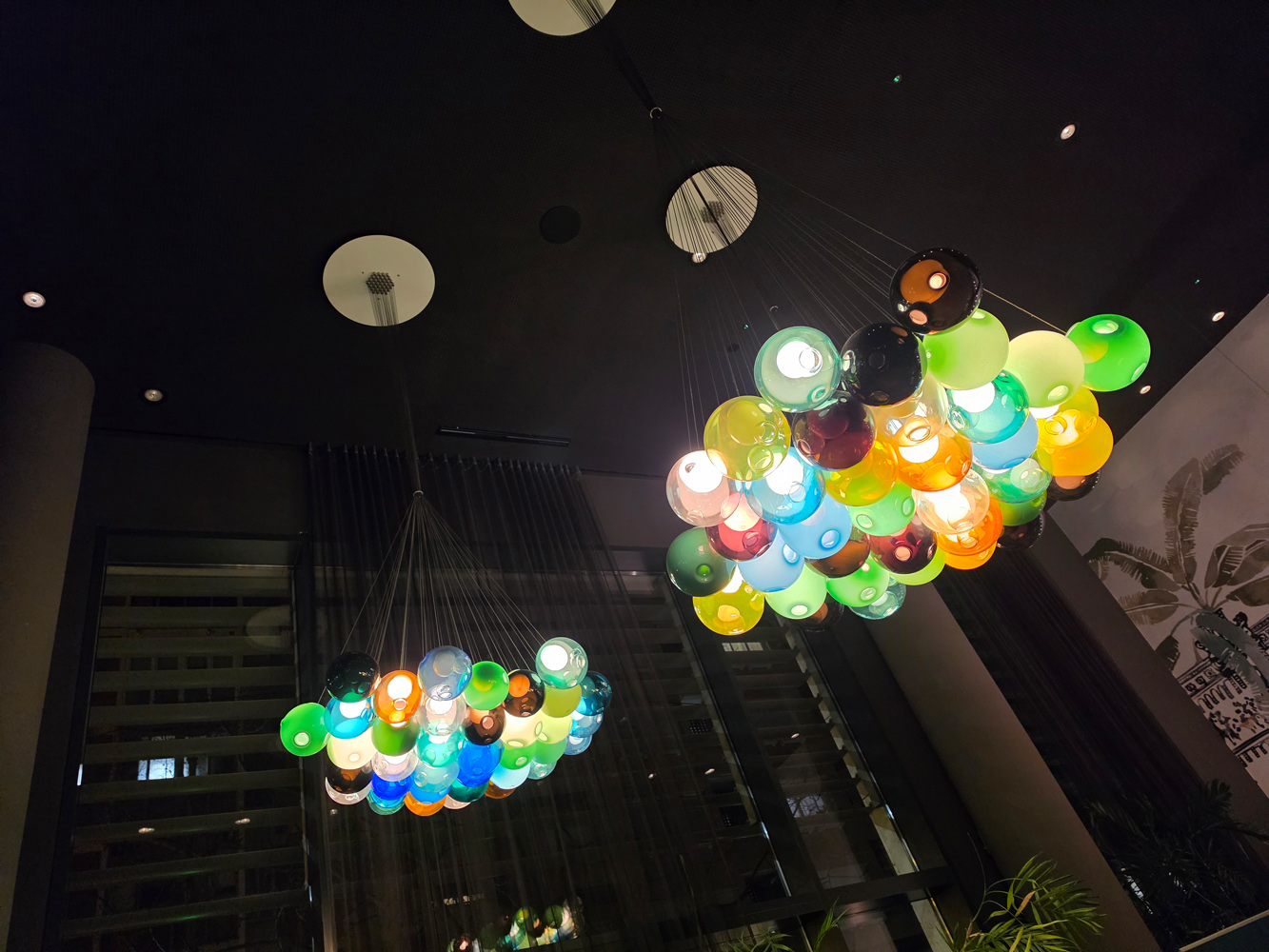


Overall, though, we’re talking marginal gains from 2025. That means Samsung still trades blows with Apple and Google’s best efforts, rather than challenge Oppo, Vivo and Xiaomi’s Ultra-badged flagships. The Chinese rivals are doing amazing things with large sensors and image processing backed by well-known camera brands – though for US shoppers in particular, simply being as good as the latest iPhone or Pixel will be good enough.
Stills progress may be stagnant, then, but Samsung has given the S26 Ultra’s video modes more attention. The Steady Video setting’s new horizon lock puts in a proper shift, keeping even very shaky footage looking smooth without forcing resolution to take a huge hit. Low light footage generally shows a little less noise now, thanks to improved ‘nightography’ algorithms. Being able to record using the lossless APV codec at up to 8K/30fps could also be a big win if you’re a creative sort.
Software experience: smart enough for you?
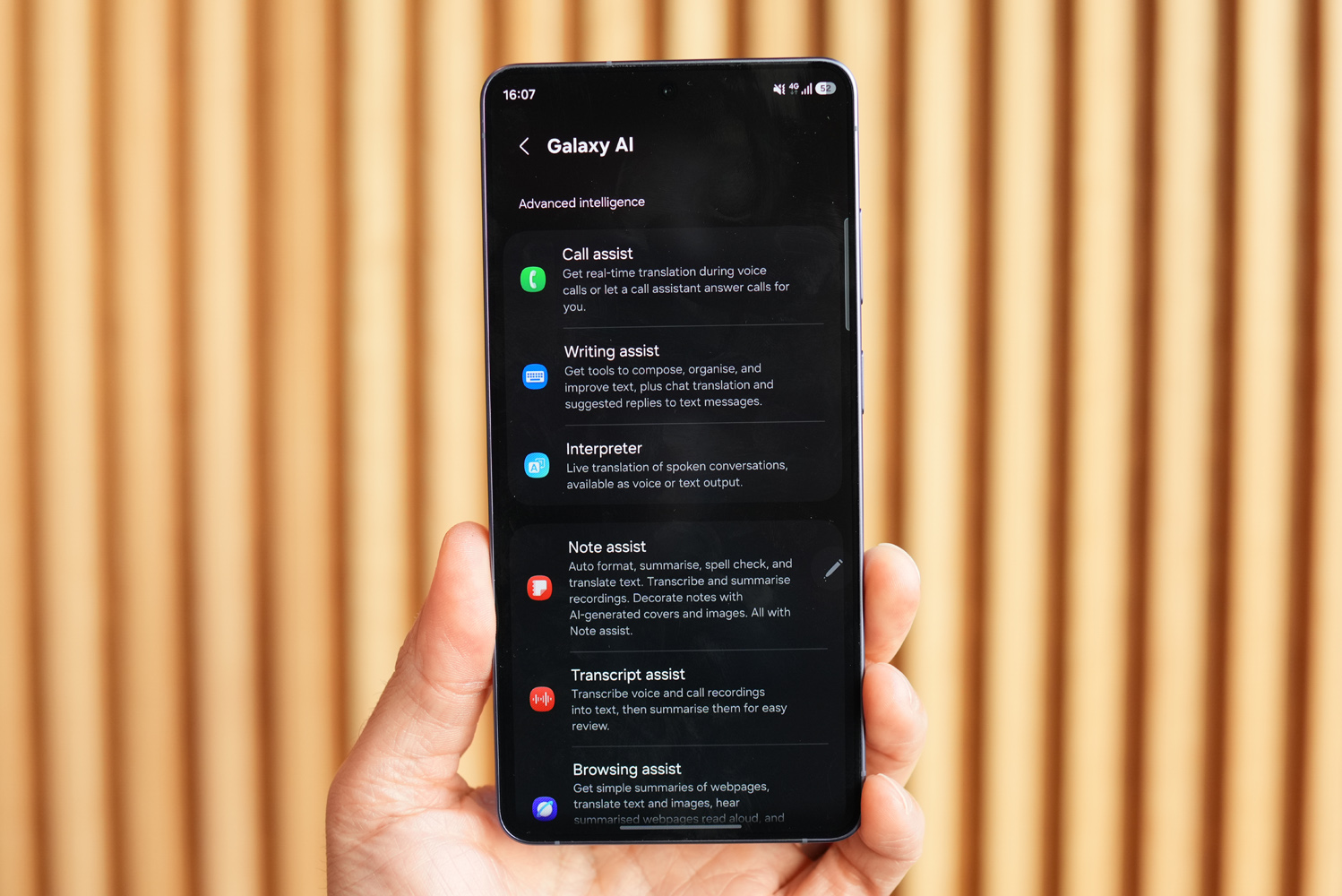
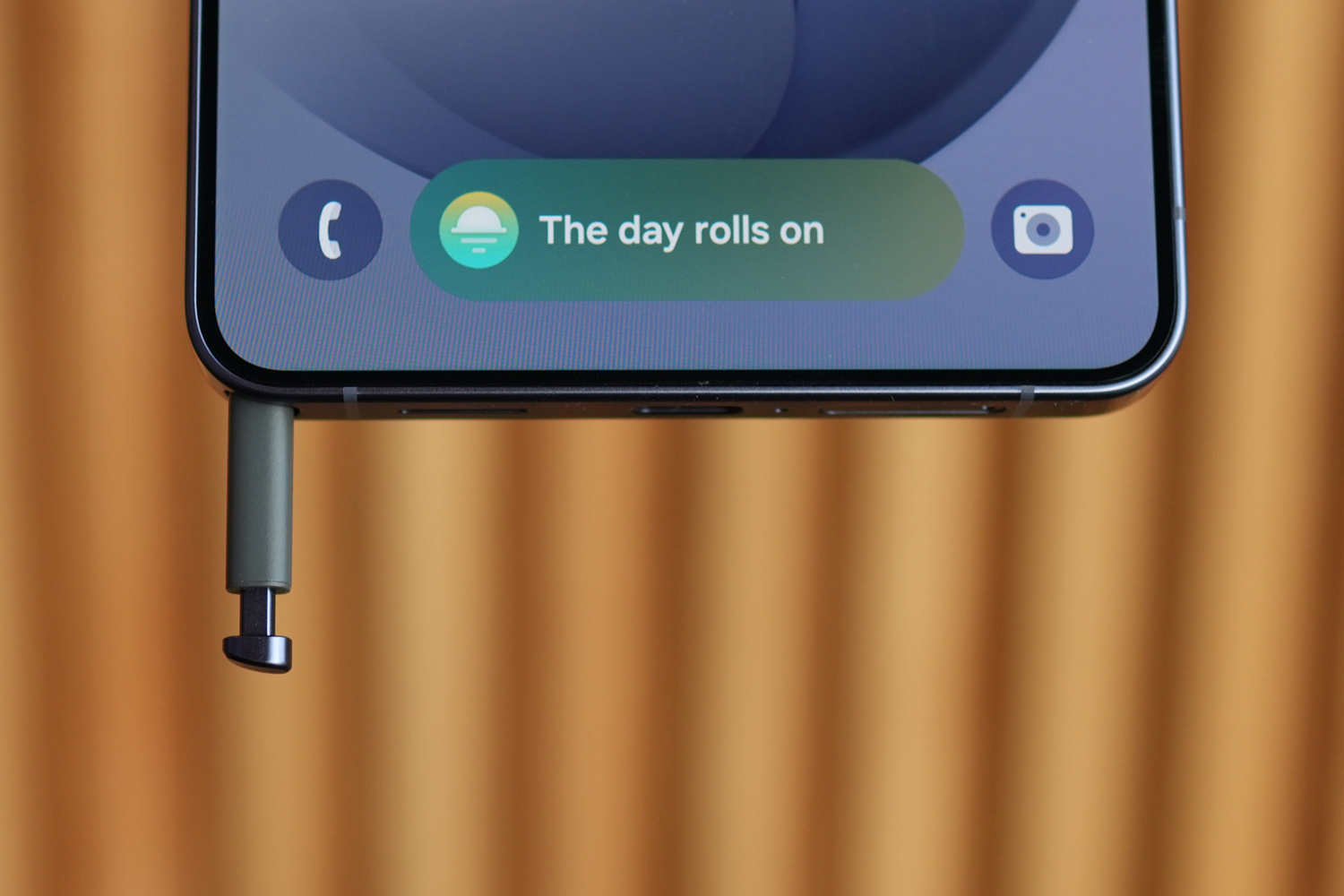
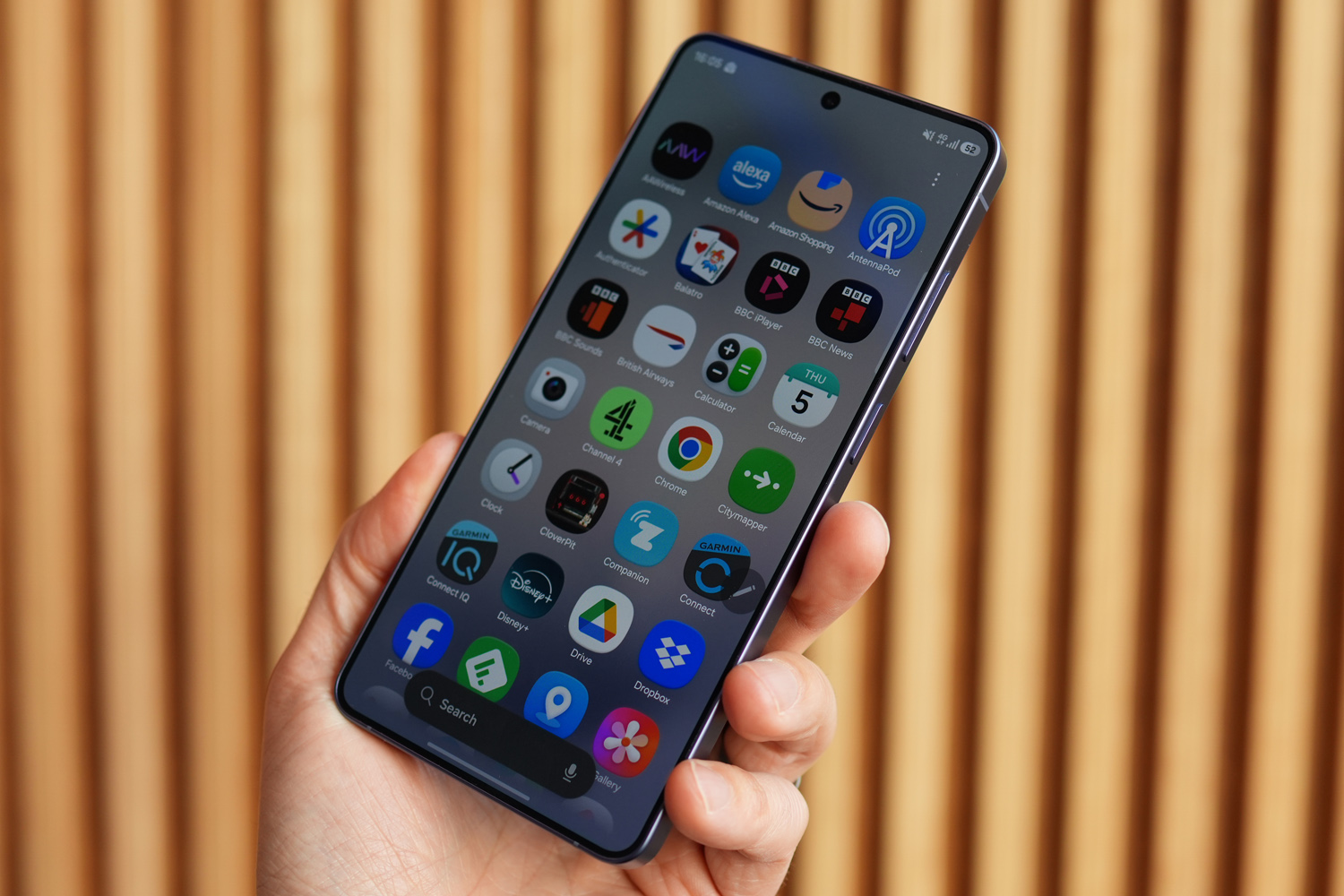
I really hope you like Galaxy AI, because it has now leeched into almost every part of the OneUI interface – and in my experience, not always for the better. Now Nudge, essentially Samsung’s take on the contextual Magic Cue prompts Google introduced with the latest Pixel generation, hasn’t suggested anything especially useful in the two weeks I’ve been using the S26 Ultra as my main handset. Being based in the UK I can’t try things like automatically booking an uber via AI agent when it’s time to leave for an event, either.
Call Screening, which intercepts incoming phone calls from unknown numbers so you can choose whether to pick up or not, proved a lot more useful. Being able to send instructions to the virtual chatbot if the caller hasn’t provided enough information is a nice touch, and the on-the-fly transcription was bang on.
I put the object eraser and generative movement tools that fall under the banner of Photo Assist in the same ball park as Google’s for speed and convincing results. They’re a handy way to clean up snaps without paying for – or learning how to use – Photoshop. Creative Studio is more for fun, turning photos into sticker sets and turning sketches I quickly drew using the S Pen into cutesy cartoons.
These are of course on top of the live translation, voice transcription, text summarising and image generation abilities already lumped into Galaxy AI. Now Brief remains a tap away from the home screen and the Now Bar appears on the lock screen to keep you up to date on the weather, upcoming appointments and sports scores. Audio Eraser can strip out background noise and boost speech in third-party apps and for streaming content now, not just clips you’ve shot using the phone itself.
It’s a good thing Samsung isn’t charging a fee to access these features, as there’s nothing here I’d be happy to fork over cash in order to use.
Current Samsung phone owners will feel at home with OneUI 8.5, which keeps the same icons, fonts and menu layout as last year’s version. The Bixby voice assistant is even more determined to help now, recognising natural language requests like “my screen is too dark” or “text is too small” and taking you to the relevant settings screen. It also taps into Perplexity AI now, for real-time search results without having to open a web browser. Some people might find these useful, but I never touched them once I’d confirmed they worked for this review.
Long-term ownership prospects are great, at least, with seven years of new Android generations promised along with seven of security patches.
Performance & battery life: day in the life
While all three of last year’s Galaxy S25 models were on an even keel, the Ultra is the only S26 to get a Snapdragon 8 Elite Gen 5 For Galaxy chipset no matter where in the world you live. Outside of the United States, China, and Japan, the vanilla S26 and S26+ both get in-house Exynos silicon.
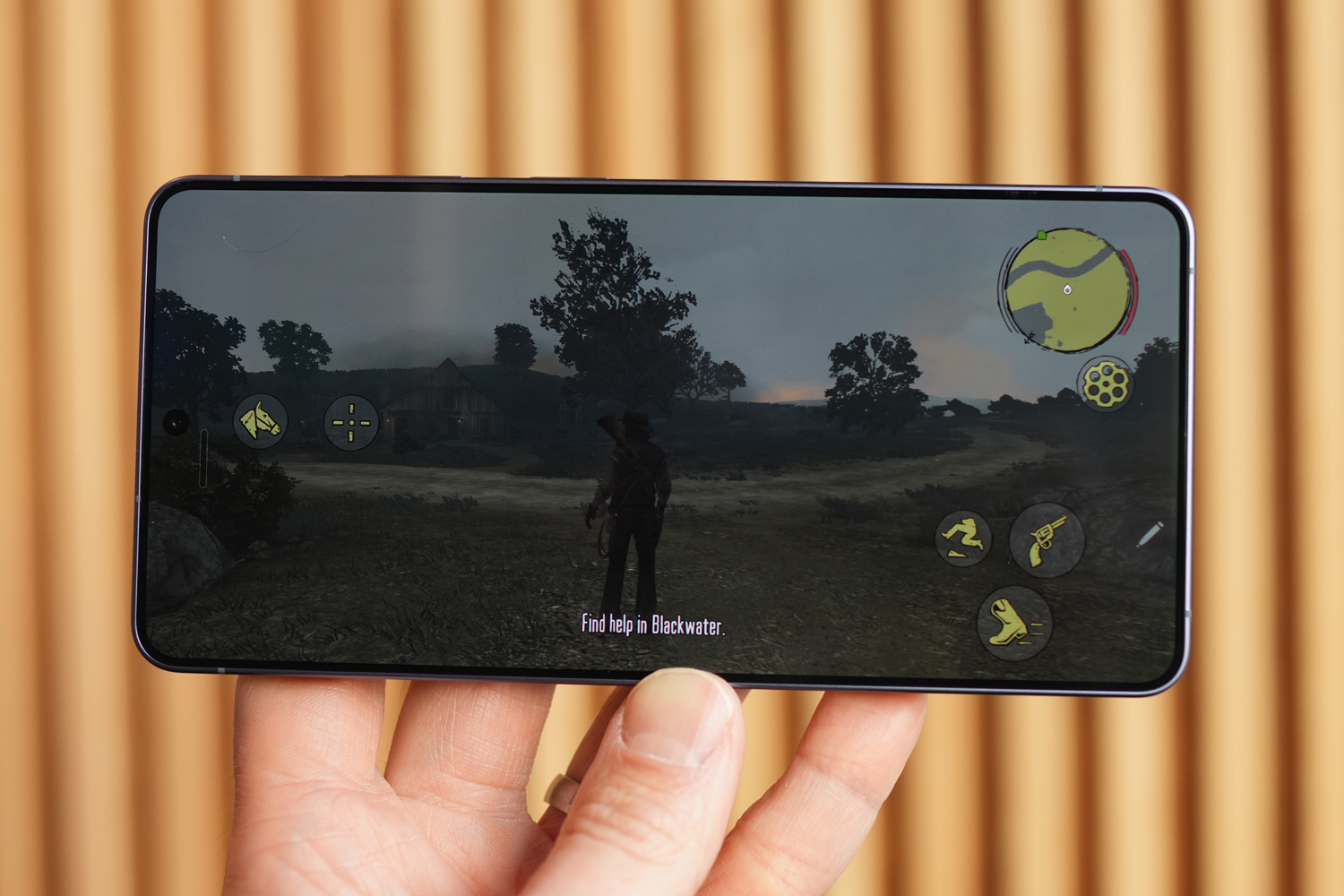
That makes the S26 Ultra the obvious pick for anyone in the UK or Europe wanting maximum performance. Qualcomm has once again given clock speeds a little boost, and Samsung has redesigned the vapour chamber cooling system to keep temperatures in check while you’re recording 4K videos. Heat was never bothersome at any point during testing, even while using the phone as a wireless hotspot or spending the entirety of a two hour flight playing games.
Synthetic benchmarks see Samsung slide comfortably into the Android performance top spot, besting both Xiaomi 17 Ultra and OnePlus 15 (which both use off-the-shelf Snapdragon 8 Elite Gen 5 chips) and the Oppo Find X9 Pro (which has MediaTek’s flagship Dimensity 9500+). Some tests were pretty close, while others saw the S26 Ultra take a commanding lead – despite not always having the RAM advantage. You get 12GB as standard here, or 16GB if you spend big bucks on the model with 1TB storage.
Naturally there’s enough oomph here to make the OneUI interface absolutely fly. Games default to their highest settings and you have a good chance of them taking full advantage of the 120Hz maximum refresh rate. I could also bounce between ten or more apps without them needing to regularly reload. It really is the new gold standard for Android performance.
| Samsung Galaxy S26 Ultra benchmark scores | |
|---|---|
| Geekbench 6 single-core | 3534 |
| Geekbench 6 multi-core | 10,693 |
| Geekbench AI | 6488 |
| Speedometer 3.1 | 37.1 |
| PCmark Work 3.0 | 20,203 |
| 3Dmark Wild Life Extreme | 7272 |
Loyal Samsung phone owners won’t feel too short-changed by the S26 Ultra’s 5000mAh battery capacity, which has now remained unchanged for six Galaxy generations. It’s still able to get through most of a regular day, with only particularly heavy use draining it before dinner time.
I, however, have been spoiled by Chinese rivals with much longer-lasting silicon-carbon battery chemistry. On a travel day spent entirely on 5G, with lots of GPS mapping, photography, video streaming and Bluetooth music playback, I ran completely dry by 6PM; doing the same with an Oppo Find X9 Ultra would see me through to the next morning without having to top up. I could also then leave my portable power bank at home instead of lugging it around all day. Samsung simply isn’t a good pick if you prioritise longevity.
At least charging has seen a meaningful increase. Wired speeds have climbed from 45W on the S25 Ultra to 60W here. You’ve got to supply a compatible power brick, as there’s not one included in the box, but it lets the phone refuel in just under 90 minutes. That’s still slower than OnePlus, though not by quite as much as in previous years.
Wireless charging has been boosted to a Qi2.2-ready 25W, but with no magnets built into the phone itself you’ll have to slap it into a compatible case first. For convenience and accessory compatibility, the latest Google Pixel generation is still in the lead.
Samsung Galaxy S26 Ultra verdict
The S26 Ultra sticks closely to the familiar Galaxy formula, but it’s one that clearly works: performance is blazing, Samsung’s software ecosystem is extensive, and photography largely keeps pace with the Western competition. The S Pen continues to have its vocal supporters, and Privacy Display can legitimately claim to be the most interesting new phone tech of 2026.
Anyone demanding the biggest batteries or best camera sensors probably started shopping elsewhere (mainly Chinese brands) a few generations back, and the S26 Ultra’s minimal gains on the latter haven’t done anything to change that. The pro-level video features – while very slick – don’t have mainstream appeal. Galaxy AI’s seeping into every aspect of the operating system is beginning to grate too.
But there’s safety in what you know, and a lot of people have a Samsung phone in their pocket already. Spec snobs may not like it, but this is almost certainly the flagship Android phone for the majority of US and European buyers.
Stuff Says…
While not an extensive generational overhaul, the Galaxy S26 Ultra remains the Android of choice for power users. It’s hugely capable and the world-first display tech is seriously clever.
Pros
Privacy Display is unique and genuinely useful
Subtle design evolution makes this big phone impressively ergonomic
Cameras keep pace with Western flagship rivals
Cons
Battery life is basic compared to rivals with silicon-carbon cells
Camera improvements are minor at best
Galaxy AI additions like Now Nudge aren’t compelling
Samsung Galaxy S26 Ultra technical specifications
| Screen | 6.9in, 3120×1440, 1-120Hz AMOLED |
| CPU | Qualcomm Snapdragon 8 Elite Gen 5 for Galaxy |
| Memory | 12/16GB |
| Cameras | 200MP, f/1.4 main w/ PDAF, OIS + 10MP, f/2.4 telephoto w/ PDAF, OIS, 3x optical zoom + 50MP, f/2.9 telephoto w/ PDAF, OIS, 5x optical zoom + 50MP, f/1/0 ultrawide w/ PDAF rear 12MP, f/2.2 w/ PDAF front |
| Storage | 256GB/512GB/1TB |
| Operating system | Android 16 w/ OneUI |
| Battery | 5000mAh w/ 60W wired, 25W wireless charging |
| Dimensions | 164x78x7.9mm / 6.44×3.07×0.31in 214g / 7.55oz |


 Tom Morgan-Freelander
Deputy Editor
Tom Morgan-Freelander
Deputy Editor